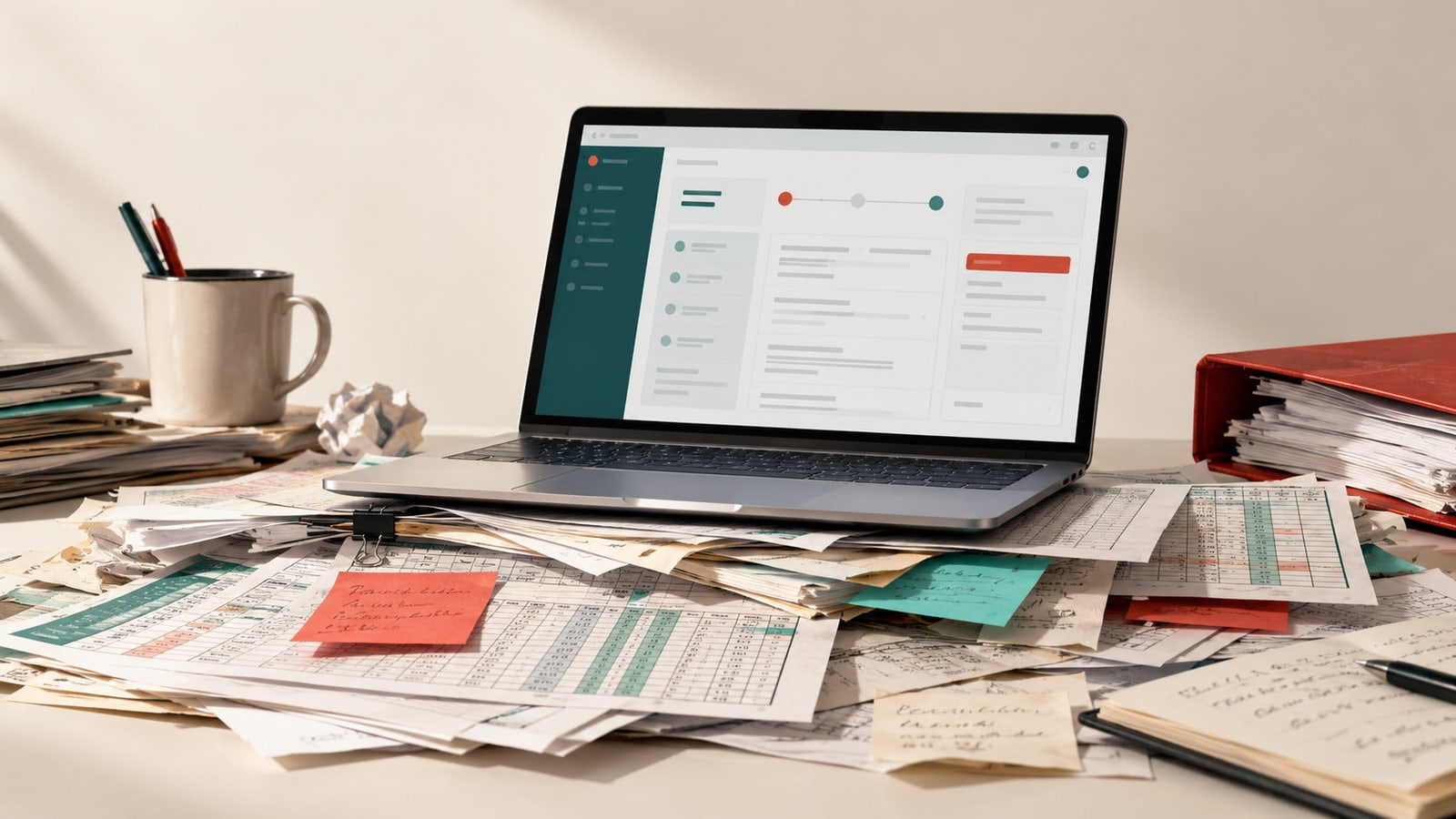
The new digital system was live across several departments. So were the spreadsheets it was meant to replace.
Employees at an unnamed corporate group were also using manual approvals and personal workarounds. The official transformation had happened; daily work, less obligingly, had continued along its old routes.
According to a case account published by Business Wheel, the group had expected its new system to produce smoother processes, better data and greater visibility. Instead, performance was declining. The organisation had acquired new technology without quite acquiring a new way of working.
The problem was not simply reluctance to change. Business Wheel says the workflows inside the system did not match how work actually moved across departments. When the formal route failed to fit the job, employees reached for tools and methods that did.
This left the group running two systems at once. One was formal and digital. The other was unofficial and manual.
Work appeared in both old tools and the new platform. Required information was missing or inaccurate, the account says, and managers lost trust in the reports produced by the system. A system intended to provide a clearer view of the business was not receiving a complete picture of the work.
Business Wheel’s response was to change the work around the technology. Processes were redesigned to clarify handovers and remove unnecessary steps. Screens were simplified, repetitive tasks reduced and the system brought into closer alignment with the revised operational flow.
Its case account reports that digital adoption subsequently reached 70%, duplicate work fell by 55% and cycle time decreased by 30%.
Those figures warrant some caution. The organisation is not identified, and the promotional account does not disclose its measurement methods or provide independent confirmation. Still, the operational contradiction at the heart of the case is clear enough: making software available across a company is not the same as making it usable for the work people must do.
The spreadsheets and manual approvals were not merely stubborn remnants of the past. They had survived because, however inelegantly, they fitted the work better than the official replacement.
Installing one system had been the straightforward part. The harder job was making it more useful than the system people had quietly built underneath it.